En🇺🇸
Pt🇧🇷↓
Somebody made a film about us. In 2012.
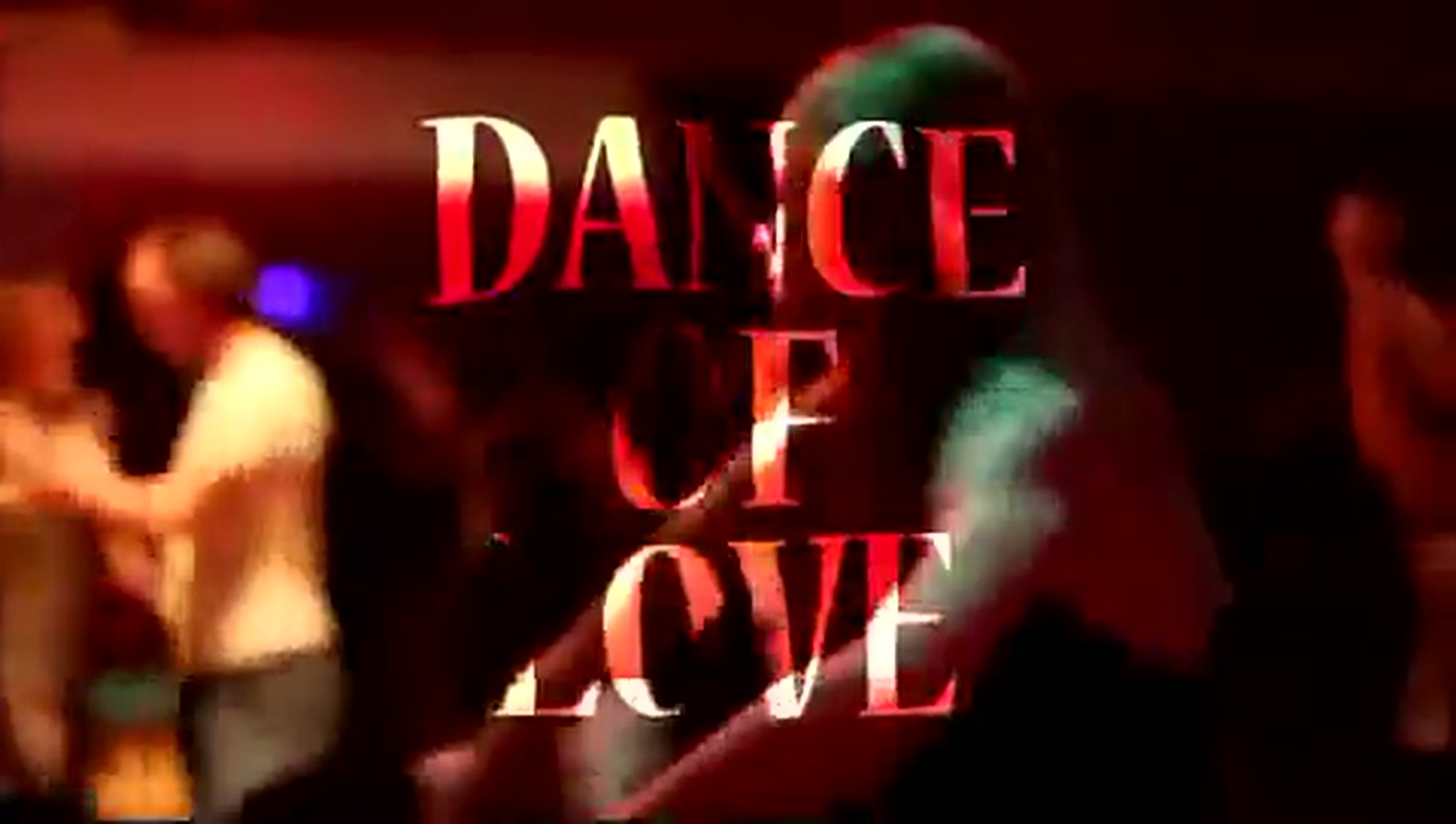
Not a demo. Not a congress recap. A feature documentary, an hour and a half long, shot over three years in nine countries, with no narrator. Just the people who built this dance, talking, and dancing.
Almost nobody has seen it.
The director is Wilco de Groot. He is Dutch, a musician, a television producer and editor, and for about a year he lived in Rio. He met lambada in Porto Seguro and could not find a cassette of it anywhere. Not long after, Kaoma was at the top of the Dutch charts.
He started filming in 2009, mostly on still cameras, the kind that happen to shoot very good video. He spent a good budget on bringing it to life. And somewhere in the middle of making it, he learned to dance zouk himself. He said later that it changed the film: he had been looking for the emotion in other places, and there is a kind that only happens on the dance floor.
In January 2013, Keyla Barros interviewed him for the Brazilian dance site Dança em Pauta. The film had just been nominated for a special jury prize at the California Film Awards in San Diego. He was flying to Los Angeles for a distribution meeting. And he had a problem. The rights to the songs under all those dance scenes could not be cleared, and the soundtrack would have to be rewritten by a composer before anyone could release it.
The film never had its release. The people in it kept dancing, and the rest of us never got to watch.
Until now. Here it is, in full, with Wilco’s name on it, where it belongs.
Four lives run through it.
Kwok One is Chinese-Dutch, one meter fifty, from the Schilderswijk in The Hague. He became a three-time South Holland champion in nunchaku. Years later a dance academy told him, in one meeting, that he was not capable of learning and never would be. At a party in Amsterdam, near the end of the film, he takes the microphone and tells a room full of dancers a personal message I will not spoil here. Then he thanks the man who taught him.
That man is Claudio Gomes, from Goiás. He dates his own start to 1997. His first class in Amsterdam, at the Canecão, had eight students. He did street shows at the Leidseplein with a little radio on the pavement until the police asked him to pause so the trams could get through. With Claudia de Vries, a Surinamese-Dutch dancer, he danced his first zouk steps in Rio. “From that moment,” she says, “zouk in the Netherlands was born.”
Gilson Damasco was raised in Itapira and spent sixteen years in Buenos Aires. When he arrived, six or seven people liked this dance. Then came Xuxa’s Argentine television show, Maradona, Sabatini. In the film he explains why he stopped saying lambada: the name had been poisoned in Buenos Aires by the erotic films, so families kept their children away, and he started calling it zouk.
Shannon Hunzicker sold advertising for The New York Times. She went to Berg’s congress in Porto Seguro for one week. Five nights of parties from midnight to six in the morning, and before the week was out she knew there was nothing holding her in New York except a job and an apartment. “Zouk is still very small in the US,” she says. That was 2012.
Between the four stories, the history, in first person.
Then the credits roll, and the names look like a who’s who of 2026. Renata Peçanha. Jaime Arôxa. Larissa Thayane. Kadu Pires. Rodrigo Delano. Paulo Mac. Freddy Marinho. Berg Dias, Braz dos Santos and Didi dos Santos in the thanks.
Now the honest part.
It calls the dance zouk from start to finish, because in 2012 that is what the world called it, and the lambazouk versus zouk brasileiro argument gets a single line. Wilco told Dança em Pauta he thought it was mostly a marketing question, and a Brazilian reader, Bruno Duarte of Zoukmania, wrote under the article that the relationship between our dance and the Antillean music deserved more than that. He was right. The film also puts private lives on the table. Wilco said it was not a dance film but a road movie, and it is.
And it is a time capsule. Prague, “one of the places where zouk has grown the most.” A workshop in Dubai, where Kwok had not expected so many people to be into zouk. A Tokyo teacher who started in her late twenties because she could not forget the dance lesson a girl laughed her out of at four. The film ends on the International Zouk Flashmob, twelve cities on screen, the year it was born. This September around 50 groups danced the same choreography.
So watch it. Watch it with someone who started after 2015 and has never heard most of these names. Then come back and tell us, in the comments, who you recognized and what you would film today.
And if you were in it, in Prague, Brno, Dubai, Tokyo, Buenos Aires or Amsterdam, write to us. We want to know what happened next.
Zouk, The Dance of Love (2012). Direction and editing: Wilco de Groot. Production: Julia Strijland and Carol Martins. Sound: Aline Santos. Camera: Douglas Lacerda, Rick Hortensius, Willy Schmidt, Roelfjan Wentholt and Jill Jaeger. A Dance Till You Drop production, © 2012 AXXELL.
Pt🇧🇷
Alguém fez um filme sobre a gente. Em 2012.
Não é uma demo. Não é um recap de congresso. É um documentário de longa-metragem, de uma hora e meia, filmado ao longo de três anos em nove países, sem narrador. Só as pessoas que construíram essa dança, falando, e dançando.
Quase ninguém viu.
O diretor é Wilco de Groot. Ele é holandês, músico, produtor e editor de televisão, e morou mais ou menos um ano no Rio. Conheceu a lambada em Porto Seguro e não encontrou uma fita cassete em lugar nenhum. Pouco depois, o Kaoma estava no topo das paradas holandesas.
Ele começou a filmar em 2009, quase tudo com câmeras fotográficas, daquelas que por acaso filmam muito bem. Ele gastou um bom orçamento para dar vida ao filme. E em algum ponto do caminho, ele aprendeu a dançar zouk. Disse depois que isso mudou o filme: ele vinha procurando a emoção em outros lugares, e existe um tipo que só acontece na pista.
Em janeiro de 2013, Keyla Barros entrevistou o Wilco para o site brasileiro Dança em Pauta. O filme tinha acabado de ser indicado a um prêmio especial do júri no California Film Awards, em San Diego. Ele estava de viagem marcada para Los Angeles, para uma reunião de distribuição. E tinha um problema. Os direitos das músicas que tocam embaixo de todas aquelas cenas de dança não puderam ser liberados, e a trilha teria que ser refeita por um compositor antes de qualquer lançamento.
O filme nunca teve o seu lançamento. As pessoas que aparecem nele continuaram dançando, e o resto de nós nunca pôde assistir.
Até agora. Aqui está ele, na íntegra, com o nome do Wilco onde ele merece estar.
Quatro vidas atravessam o filme.
Kwok One é sino-holandês, tem um metro e cinquenta, e cresceu no Schilderswijk, em Haia. Virou tricampeão da Holanda do Sul em nunchaku. Anos depois, uma academia de dança disse a ele, numa única reunião, que ele não era capaz de aprender e nunca seria. Numa festa em Amsterdã, perto do fim do filme, ele pega o microfone e conta a uma sala cheia de dançarinos uma mensagem pessoal que eu não vou revelar aqui. Depois agradece ao homem que o ensinou.
Esse homem é Claudio Gomes, de Goiás. Ele mesmo marca o começo em 1997. A primeira turma dele em Amsterdã, no Canecão, tinha oito alunos. Fazia shows de rua na Leidseplein com um radinho no chão, até a polícia pedir uma pausa para os bondes passarem. Com Claudia de Vries, uma dançarina surinamesa-holandesa, ele deu os primeiros passos de zouk no Rio. “A partir daquele momento”, ela diz, “nasceu o zouk na Holanda.”
Gilson Damasco cresceu em Itapira e passou dezesseis anos em Buenos Aires. Quando chegou, seis ou sete pessoas gostavam dessa dança. Depois vieram o programa da Xuxa na televisão argentina, Maradona, Sabatini. No filme, ele explica por que parou de dizer lambada: o nome tinha ficado envenenado em Buenos Aires pelos filmes eróticos, as famílias afastavam os filhos, e ele passou a chamar de zouk.
Shannon Hunzicker vendia anúncios para o The New York Times. Foi ao congresso do Berg em Porto Seguro por uma semana. Cinco noites de festa da meia-noite às seis da manhã, e antes de a semana acabar ela já sabia que nada a prendia em Nova York além de um emprego e um apartamento. “O zouk ainda é muito pequeno nos Estados Unidos”, ela diz. Isso era 2012.
Entre as quatro histórias, a história, em primeira pessoa.
Aí sobem os créditos, e os nomes parecem um quem é quem de 2026. Renata Peçanha. Jaime Arôxa. Larissa Thayane. Kadu Pires. Rodrigo Delano. Paulo Mac. Freddy Marinho. Berg Dias, Braz dos Santos e Didi dos Santos nos agradecimentos.
Agora a parte honesta.
Ele chama a dança de zouk do começo ao fim, porque em 2012 era assim que o mundo chamava, e a briga lambazouk versus zouk brasileiro ganha uma única frase. O Wilco disse ao Dança em Pauta que achava aquilo, no fundo, uma questão de marketing, e um leitor brasileiro, Bruno Duarte, da Zoukmania, escreveu embaixo do artigo que a relação entre a nossa dança e a música antilhana merecia mais do que isso. Ele tinha razão. O filme também põe vidas privadas na mesa. O Wilco disse que não era um filme de dança, e sim um road movie. E é mesmo.
E é uma cápsula do tempo. Praga, “um dos lugares onde o zouk mais cresceu”. Um workshop em Dubai, onde o Kwok não esperava tanta gente dançando zouk. Uma professora de Tóquio que começou perto dos trinta porque nunca esqueceu a aula de dança em que uma menina riu dela aos quatro anos. O filme termina no International Zouk Flashmob, doze cidades na tela, no ano em que ele nasceu. Em setembro deste ano, cerca de 50 grupos dançaram a mesma coreografia.
Então assista. Assista com alguém que começou depois de 2015 e nunca ouviu a maioria desses nomes. Depois volte e conte para a gente, nos comentários, quem você reconheceu e o que você filmaria hoje.
E se você estava lá, em Praga, Brno, Dubai, Tóquio, Buenos Aires ou Amsterdã, escreva para a gente. Queremos saber o que aconteceu depois.
Zouk, The Dance of Love (2012). Direção e montagem: Wilco de Groot. Produção: Julia Strijland e Carol Martins. Som: Aline Santos. Câmera: Douglas Lacerda, Rick Hortensius, Willy Schmidt, Roelfjan Wentholt e Jill Jaeger. Uma produção A Dance Till You Drop, © 2012 AXXELL.
Comments
Loading comments…
You'll be asked to sign in before posting — we'll keep your draft.